Architectural Style–A Frozen Symphony of Nanyang Culture
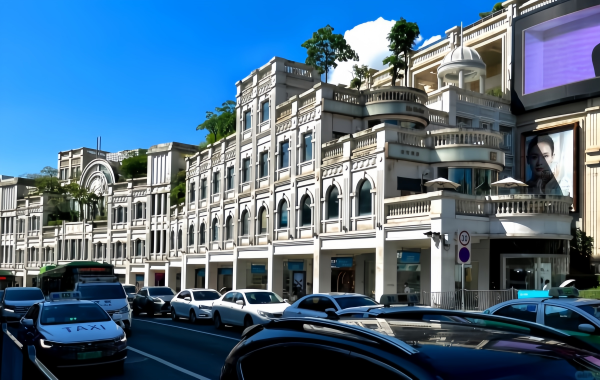
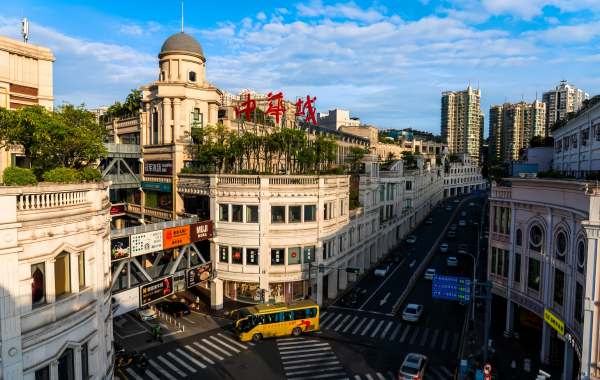
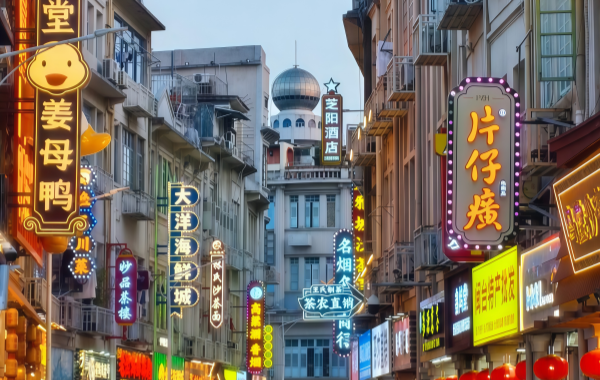
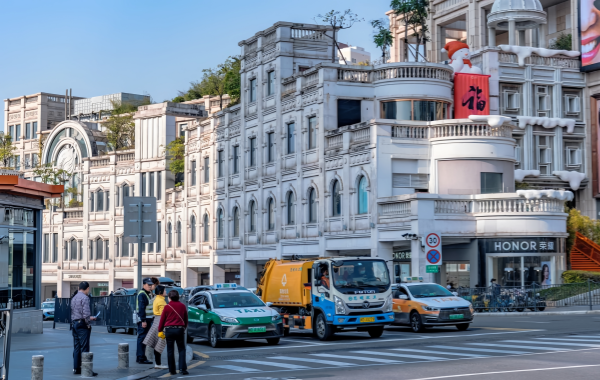
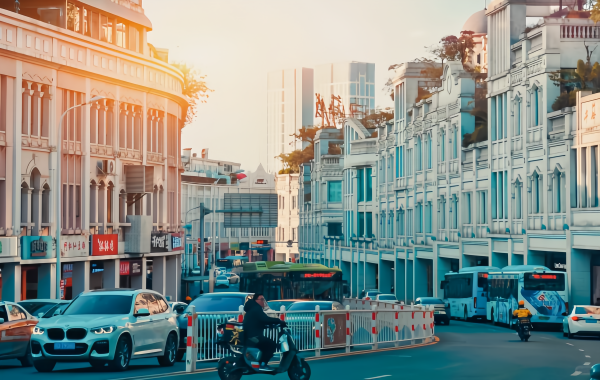
The architecture of Zhongshan Road is a visual feast of red bricks,arcades,and light and shadow.
Nanyang Arcades:Breathing"Five-Foot Ways"
This is the most recognizable architectural symbol of Zhongshan Road.
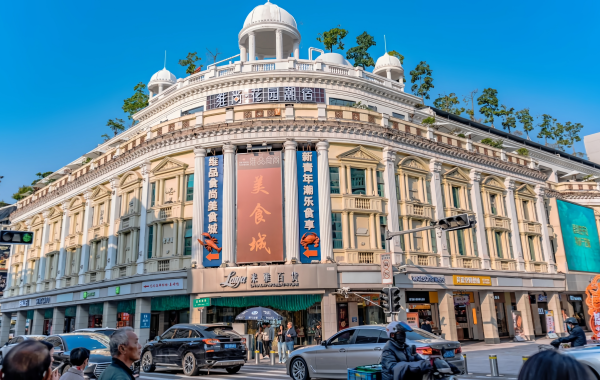
Architectural Code:The ground floor is elevated,forming continuous pedestrian corridors,perfectly adapted to Xiamen's rainy and sunny climate.The carved window frames and Roman columns on the upper floors coexist wonderfully with the traditional Minnan red bricks and swallowtail ridges.
Landmark Check-in:
Lujiang Hotel(Haikou):Built in 1958,proposed by Mr.Chen Jiageng,it is a typical example of Jiageng-style architecture.Red bricks and green tiles,a blend of Chinese and Western styles,it was once the tallest building in Xiamen and had Xiamen's first elevator.
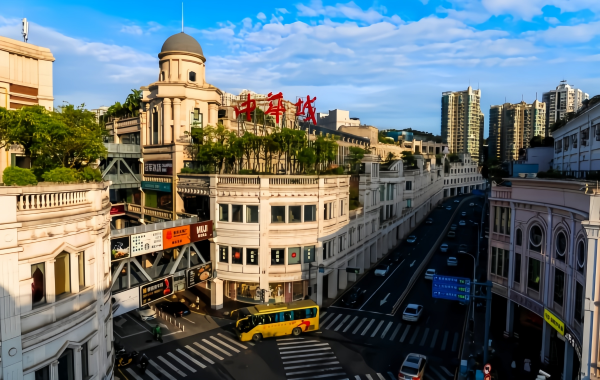
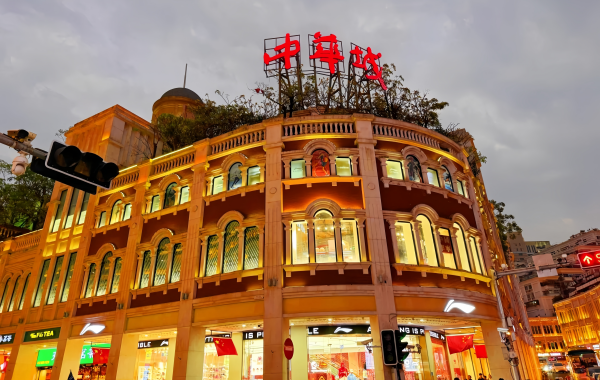
Yong'an Hall(67-71 Zhongshan Road):A striking five-story arcade building with a clock tower on the roof.This was the property of Hu Wenhu,the"King of Tiger Balm,"who founded the Star Daily here,later becoming the headquarters of the Xiamen Daily.
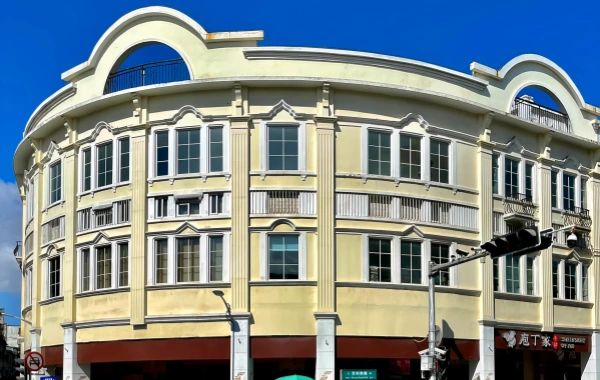
Tianxian Hotel(210 Zhongshan Road):Its curved facade complements the street corner,with French-style windows and bas-relief decorations arranged in a harmonious manner.The semi-circular balcony exudes French romance.The writer Yu Dafu once stayed here and wrote a preface for the hotel.
Hidden in the alleys and ancient houses:The roots of Southern Fujian hidden in the bustling city.Turning into Jukou Street and Xiaozouma Road,parallel to the main street,feels like stepping back in time.
Xiaozouma Road:Legend has it that Zheng Chenggong,during the late Ming Dynasty,stationed troops in Xiamen and often rode this road to the naval training platform to observe the navy's training.Today,the colorful murals on the walls record that era of war and conquest.
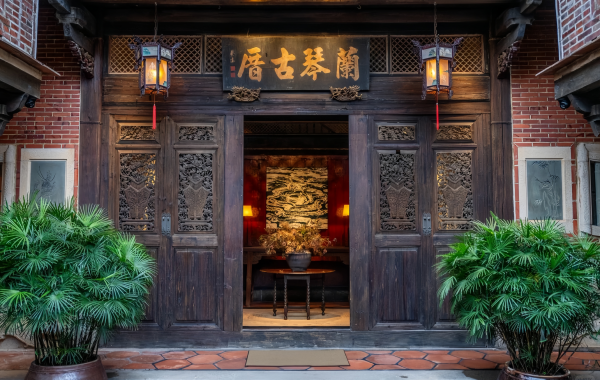
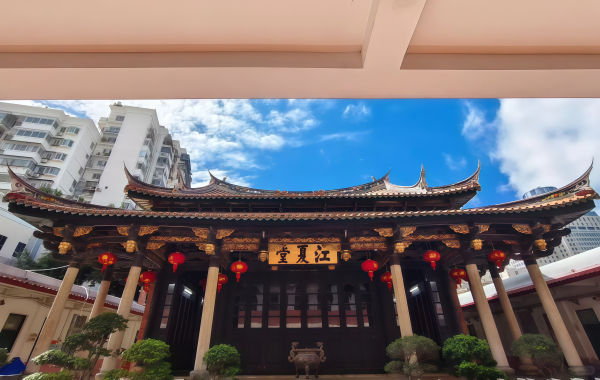
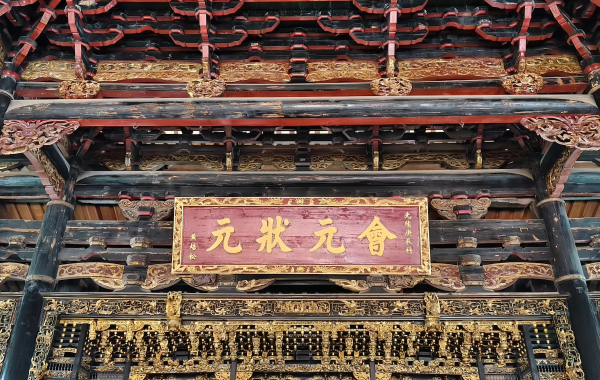
Lanqin Ancient House and Jiangxia Hall:Hidden in the bustling city,these traditional Minnan red-brick courtyard houses,with their exquisite carvings and lush starfruit trees,tell tales of a once-prominent family.
Photography Tips:
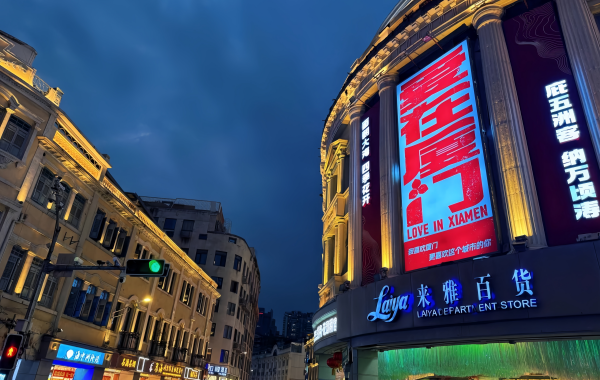
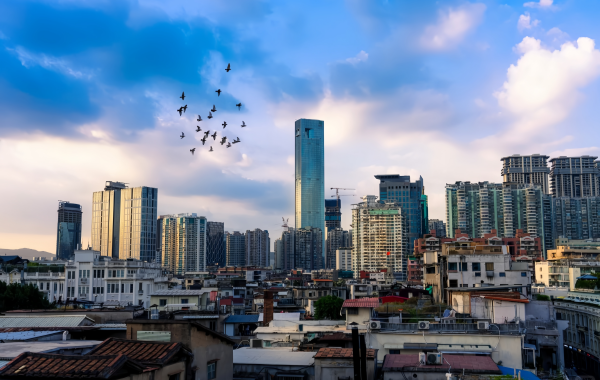
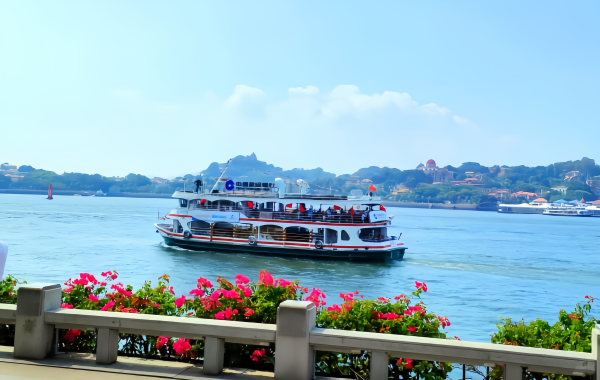
The best panoramic view is at the intersection of Zhongshan Road and Lujiang Road(Haikou),capturing the Lujiang Hotel,traffic,and Gulangyu Island in the distance.The 4th floor of Tiger City is a classic spot for photographing the"crowded"main street of Zhongshan Road.Nighttime photography of the arcade buildings,with warm yellow lights illuminating the red bricks,evokes a Wong Kar-wai film feel.
Humanistic Craftsmanship—A Century of Enduring Vitality
The vitality here stems from the architecture,but even more so from the people and atmosphere that live here.
Overseas Chinese Letters and Maritime Memories
Overseas Chinese Bank and Overseas Chinese Letters Square:Established in 1925,the Overseas Chinese Bank is the lifeline connecting overseas Chinese with their homeland.The adjacent Overseas Chinese Remittance Culture Square records the postal routes of the"Maritime Dunhuang Documents,"with the words"Peace and No Worries"conveying a deep longing for home.
Daqian Hotel(now Chunguang Hotel):Founded in 1932 by overseas Chinese from Burma,it was once Xiamen's largest and most luxurious hotel,the first stop for countless returning overseas Chinese.
Intangible Cultural Heritage and Local Flavors
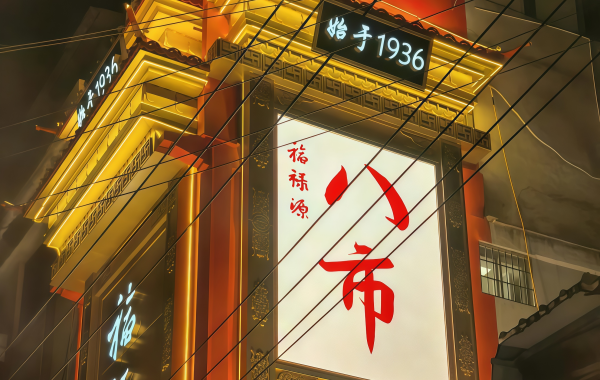
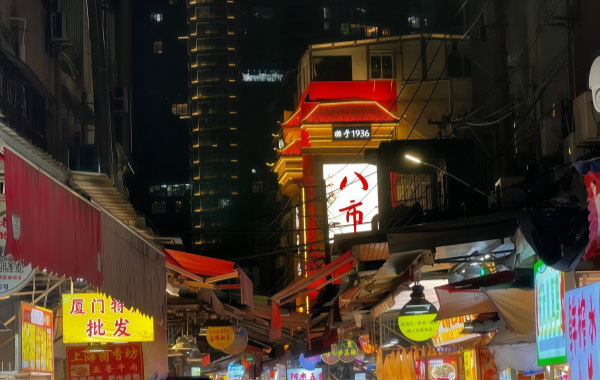
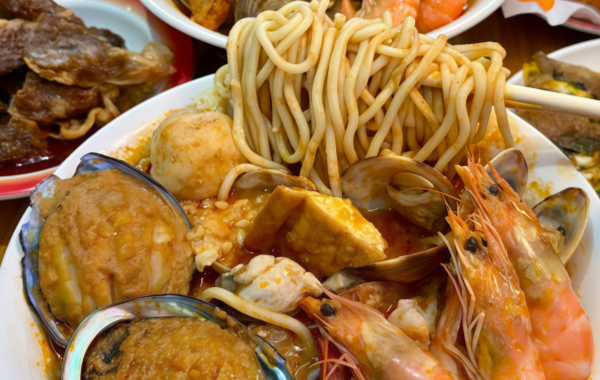
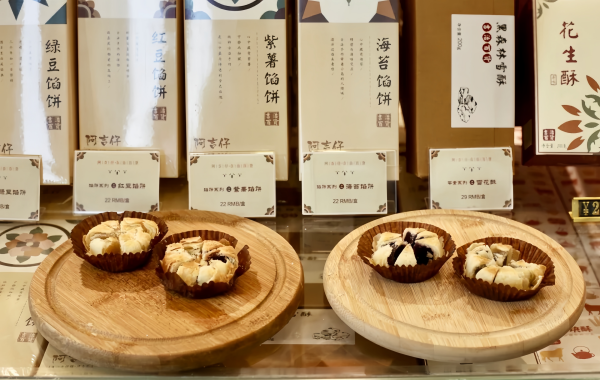
The Eighth Seafood Market(Ba Shi):A culinary heartland adjacent to Zhongshan Road.Not only is it a seafood distribution center,but it was also a filming location for the documentary series"A Bite of China."A Jie's Five-Spice Noodles,Zhong Lijun's Fried Rice Cake,Huiyuan Bakery…this place holds Xiamen's most vibrant and down-to-earth atmosphere.
Legendary Establishments:From the time-honored"Huang Zehe"peanut soup to the 1980 braised pork rice dumpling,and then to"Jiawei Zaitian's"taro dumplings,the flavors here have been passed down through generations.