Giant Buddha Temple: A Journey Through a Millennium of Buddhist Radiance and the Wonder of the Reclining Buddha on the Silk Road

Giant Buddha Temple: A Journey Through a Millennium of Buddhist Radiance and the Wonder of the Reclining Buddha on the Silk Road

Overview: A Buddhist Sanctuary in the Hexi Corridor That Has Slumbered for a Thousand Years

The Zhangye Giant Buddha Temple—a millennium-old monastery founded in the first year of the Yong'an era of the Western Xia Dynasty (1098)—was successively commissioned and patronized by the imperial courts of four dynasties: the Western Xia, Yuan, Ming, and Qing. Today, it stands as a resplendent jewel of Buddhist art along the historic Silk Road.

Key Highlights at a Glance

Distinguishing Features: Home to Asia's largest indoor Reclining Buddha

Core Experiences: Marvel at the spectacular 34.5-meter Reclining Buddha; explore the murals depicting Journey to the West

Suggested Visit Duration: 1.5–2 hours (can be combined with other attractions in downtown Zhangye for a full-day itinerary).

Address: No. 28, Minzhu West Street, Ganzhou District, Zhangye City, Gansu Province.

  • Giant Buddha Temple: A Journey Through a Millennium of Buddhist Radiance and the Wonder of the Reclining Buddha on the Silk Road-1
  • Giant Buddha Temple: A Journey Through a Millennium of Buddhist Radiance and the Wonder of the Reclining Buddha on the Silk Road-2
  • Giant Buddha Temple: A Journey Through a Millennium of Buddhist Radiance and the Wonder of the Reclining Buddha on the Silk Road-3
  • Giant Buddha Temple: A Journey Through a Millennium of Buddhist Radiance and the Wonder of the Reclining Buddha on the Silk Road-4

Origins: The National Preceptor's Buddhist Affinity and a Millennium of Guardianship

Furong Ancient Town Furong Ancient Town

The Dawn of a Buddhist Connection—National Preceptor Weiyang's Miraculous Discovery

"The Reclining Buddha sleeps a long sleep—sleeping for a thousand years, never to wake; the Seeker asks an eternal question—asking for a hundred lifetimes, never to find the answer." This couplet, hanging above the mountain gate of the Giant Buddha Temple, casts a veil of mystery over this ancient monastery.

According to historical records, during the Qianshun reign of Emperor Chongzong of the Western Xia Dynasty, a National Preceptor named Weiyang was engaged in meditative practice within the city of Zhangye. Suddenly, he heard the ethereal sounds of Buddhist chanting drifting down from the heavens. Following the sound with his gaze, he spotted a specific spot on the ground enveloped in auspicious light and radiant energy. The National Preceptor dug three feet deep into the earth and, to his astonishment, unearthed a Reclining Buddha covered in emerald-green roof tiles—a figure of solemn majesty and lifelike realism. Convinced that this was a divine manifestation of the Buddha himself, National Preceptor Weiyang vowed to construct a temple on this very site to enshrine the image. Thus, in the first year of the Yong'an era of the Western Xia (1098), the Jiaye Rulai Temple (the predecessor to the Giant Buddha Temple) came into existence. 1.2 Royal Patronage—The Birthplace of Kublai Khan and a Temple Endowed by Four Dynasties

From the very moment of its founding, the Giant Buddha Temple (Dafo Temple) forged an indissoluble bond with the imperial family. Empress Dowager Liang of the Western Xia dynasty was a devout Buddhist who frequently visited the site to host religious rituals and vegetarian feasts. Even more legendary is the popular folklore that the Mongol Empress Dowager Beki once resided here, giving birth to the founding monarch of the Great Yuan Empire—Kublai Khan (Emperor Shizu of Yuan). It is also said that another Yuan dynasty emperor, Emperor Shun (Toghon Temür), was born within these very precincts.

Although this legend is not recorded in official historical chronicles, it imbues the temple with a profound aura of imperial significance. From the Western Xia through the Yuan dynasty, the Giant Buddha Temple enjoyed the singular privilege of serving as an imperial temple. During the Yongle era of the Ming dynasty, Emperor Chengzu bestowed upon it the name "Baojue Temple"; later, the Qing dynasty's Emperor Kangxi issued an imperial decree renaming it "Hongren Temple." The favor bestowed upon the temple by the monarchs of four successive dynasties cemented its exalted status within the Buddhist landscape of the Hexi Corridor.

> Dive Deeper: Explore More Treasures of Silk Road Buddhist Art >> [Shanghai City God Temple]

Must-See Wonders: A Symphonic Poem of Architecture, Sculpture, and Murals

Furong Ancient Town Furong Ancient Town Furong Ancient Town Furong Ancient Town

The Great Buddha Hall—The "Supreme Majesty" of Western Xia Architecture

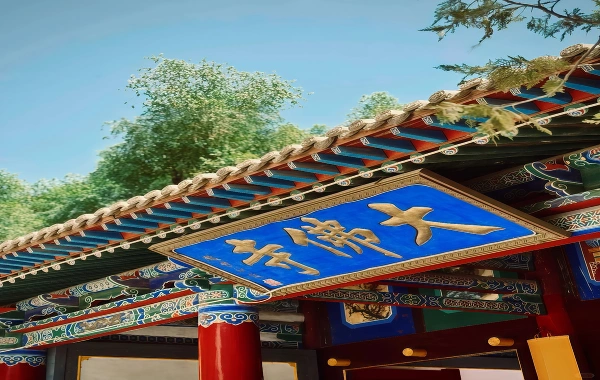
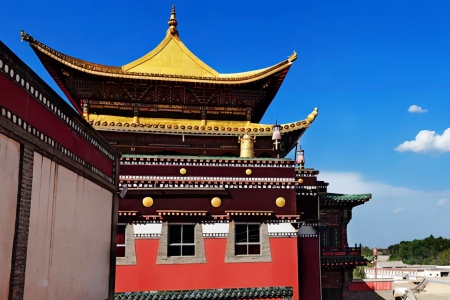
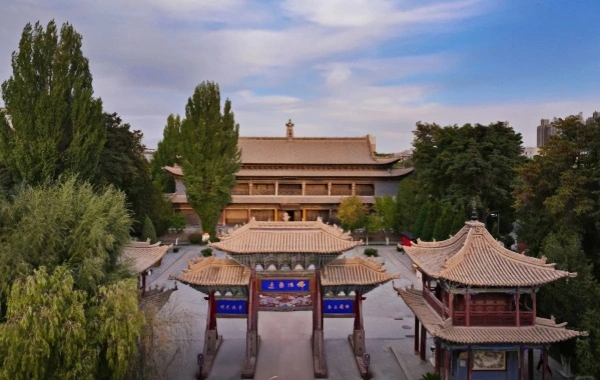
Upon entering the Giant Buddha Temple, the first sight to greet the eye is the majestic and magnificent Great Buddha Hall. Spanning nine bays in width (48.3 meters), seven bays in depth (24.5 meters), and standing 20.2 meters tall, this structure—distinguished by its double-eaved xieshan (hip-and-gable) roof—is one of the few surviving Buddhist halls from the Western Xia dynasty in my country today.

Its architectural layout—specifically the "nine bays in width and five bays in depth" configuration—subtly echoes the imperial ceremonial concept of "Nine-Five Supreme Majesty" (the ultimate symbol of imperial power), thereby underscoring the temple's once-illustrious status. The main body of the hall is encircled by a wooden ambulatory, while the lintels beneath the eaves and the panels flanking the main entrance are adorned with exquisite wood carvings and brick reliefs. Particularly precious are the two colossal brick carvings flanking the temple gate. Each panel covers an area of ​​4.6 square meters and is composed of fifty interlocking blue bricks. Employing a combined technique of high relief, flat carving, and line engraving, they depict the "Western Pure Land" and "The Buddha Preaching in the Jetavana Grove," respectively. Exquisitely detailed and remarkably lifelike, these works stand as the pinnacle of brick-carving artistry.

The Marvel of the Reclining Buddha—Asia’s Largest Indoor Clay Sculpture

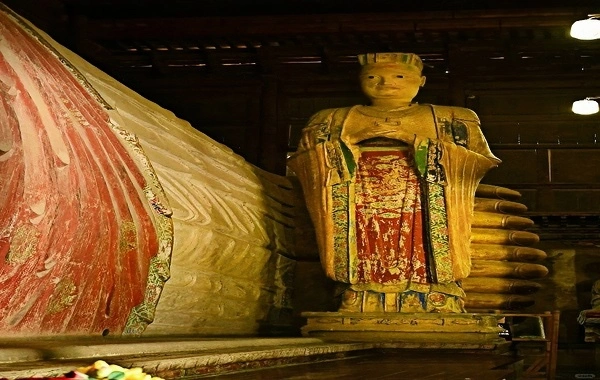
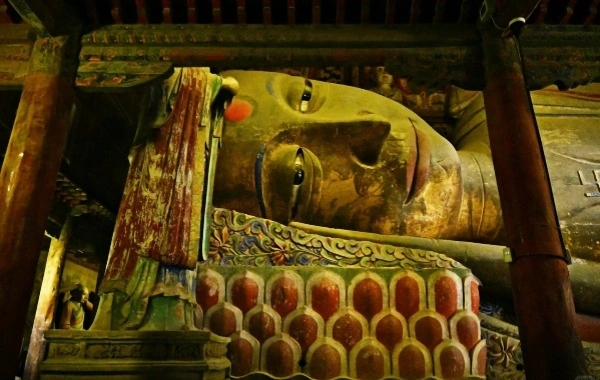
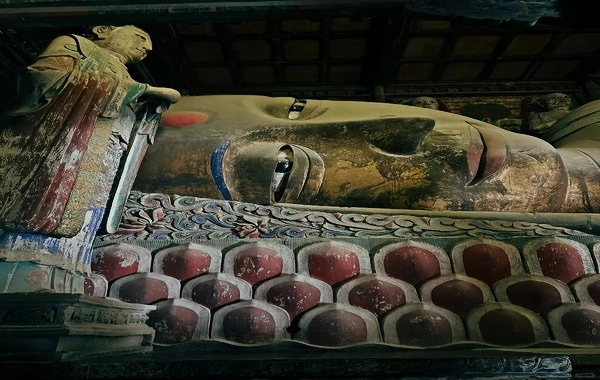
Passing through the temple gate, visitors are instantly awestruck by the sight of a colossal statue of Shakyamuni Buddha in Nirvana, resting peacefully upon a 1.2-meter-high altar. The statue measures 34.5 meters in length, with shoulders spanning 7.5 meters, ears approximately 4 meters long, and feet measuring 5.2 meters. A single human being could lie flat upon one of its middle fingers, while eight people could sit side-by-side within the hollow of an ear.

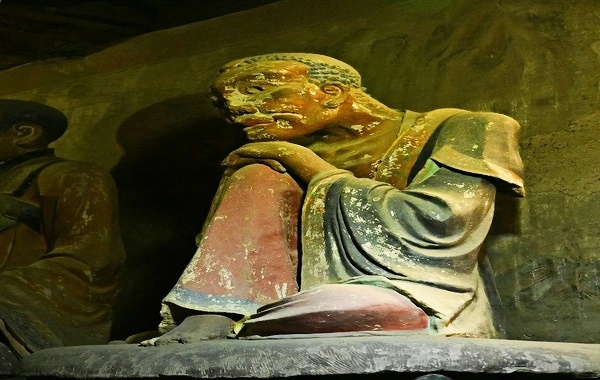
Constructed with a wooden armature, modeled in clay and straw, and featuring a hollow interior housing sacred relics, this Reclining Buddha was created using a unique technique of gilded and polychrome decoration. Having undergone numerous repairs and restorations throughout the Western Xia, Yuan, Ming, and Qing dynasties, it remains remarkably well-preserved to this day. The Buddha appears "as if awake when viewed from afar, yet asleep when called upon"; a faint smile plays upon his lips, and his expression is one of profound serenity and peace—as if conveying to the world that Nirvana is not an end, but rather a new beginning. Behind the Reclining Buddha stands a sculptural ensemble depicting his Ten Great Disciples in mourning, each displaying a distinct emotional state—some sorrowful, others contemplative. Along the northern and southern walls stand the Eighteen Arhats—some appearing majestic, others benevolent—collectively forming a magnificent sculptural panorama of Buddhist art.

The Mural Gallery—A Pictorial Chronicle of Hexi Customs

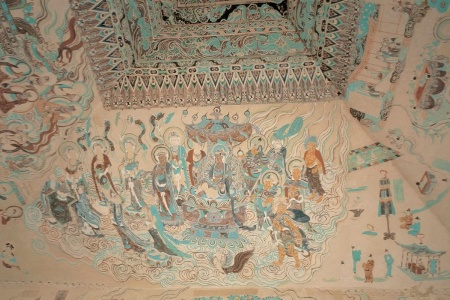
The four walls of the Great Buddha Hall, as well as the wooden partitions on the second level, preserve over 530 square meters of murals dating back to the Ming and Qing dynasties. Distinguished by their immense richness of content and diversity of themes, they are aptly described as a "pictorial scroll of Hexi history upon the walls."

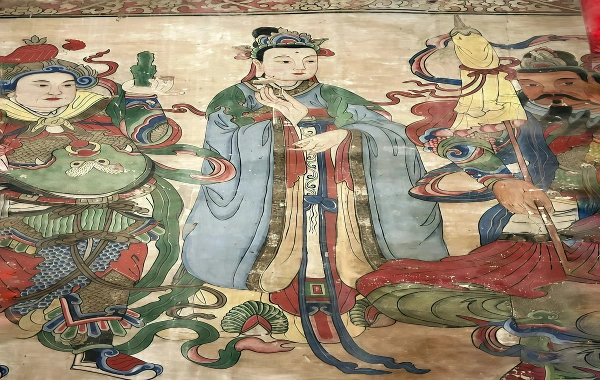
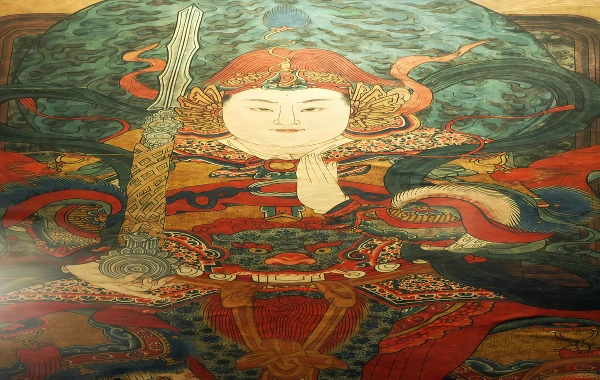
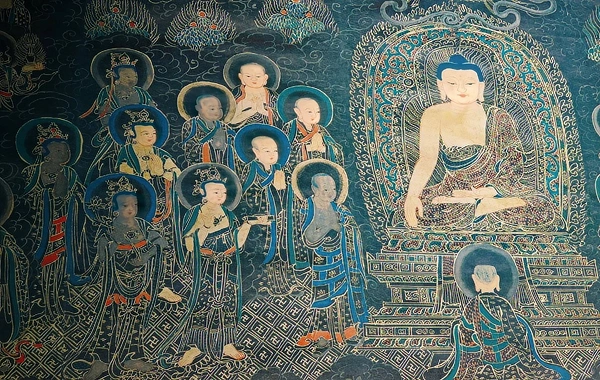
   The Homage of the Celestial Deities: Painted on the eastern and western walls, these murals depict the Dharma-protecting celestial beings with solemn dignity. Characterized by fluid lines, a palette of deep, restrained colors, and a majestic grandeur, they fully embody the magnificent aura of a royal temple.

   Murals from Journey to the West: Painted on the wall situated behind the Reclining Buddha, these surviving fragments depict classic scenes from the epic tale, such as "The Battle Against the Red Boy" and "Blocked by the Flaming Mountain." Particularly precious is the depiction of Zhu Bajie (Pigsy) in these murals, which differs starkly from his portrayal in the standard novel—here, he is shown shouldering luggage, fetching water from deep ravines, and bravely subduing demons, revealing a diligent and unpretentious side to his character. This imagery closely resembles the illustrations found in the Ming Dynasty edition of Mr. Li Zhuowu’s Commentary on Journey to the West, serving as a vivid testament to the diverse ways in which the Journey to the West narrative circulated among the populace.

Classic of Mountains and Seas (Shanhaijing) Murals: The north and south walls are demarcated by depictions of the Eighteen Arhats; on either side, the walls feature distinct murals—one depicting landscapes, flora, and fauna, and the other illustrating tales from the Classic of Mountains and Seas. Here, the aesthetic sensibilities of Han Chinese literati coexist harmoniously with the fantastical imagery of the Western Regions, showcasing the long-standing tradition of cultural pluralism in the Hexi Corridor.

These murals possess not only immense artistic merit but also serve as authentic historical records, capturing the social milieu and the process of ethnic integration within the Hexi region during the Ming and Qing dynasties. With their meticulous details—ranging from character costumes and architectural styles to scenes of daily life—they can truly be described as a "pictorial ethnography of Hexi customs" inscribed upon the walls.

> Photography Tips: The lighting inside the Hall of the Great Buddha is relatively dim; for wide-angle shots capturing the entire Reclining Buddha, a wide-angle lens is recommended. To capture the intricate details of the brick carvings and murals, consider bringing a telephoto lens. Flash photography is strictly prohibited inside the hall; please observe all regulations regarding the preservation of cultural heritage sites.

Core Experience: A Cultural Journey Through the Buddhist Realm of the Silk Road

Furong Ancient Town Furong Ancient Town Furong Ancient Town Furong Ancient Town

Five Must-Do Activities to Unlock the Cultural Treasures of the Great Buddha Temple

1.  Pay Homage to Asia’s Largest Reclining Buddha

- Experience: Stand before the 34.5-meter-long Reclining Buddha and experience a profound sense of awe that stirs both the visual senses and the soul. Take a moment to closely examine the exquisitely painted lotus motifs on the soles of the Buddha’s feet, gaze up at his compassionate and serene countenance, and contemplate the profound spiritual realm of "Nirvana’s Tranquility."

- Timing: Visit in the early morning or late evening, when crowds are sparse, to quietly immerse yourself in the solemn and majestic atmosphere of the Buddha Hall.

2.  Uncover the Secrets of the Journey to the West Murals

- Experience: Look for scenes from Journey to the West—such as "The Great Battle Against the Red Boy" and "Blocked by the Flaming Mountain"—depicted on the walls situated behind the Reclining Buddha. Pay special attention to the depiction of Zhu Bajie (Pigsy)—unlike the gluttonous and lecherous character portrayed in the novel, the Bajie depicted here is diligent and brave. These images serve as invaluable physical evidence for the study of the evolution of the Journey to the West narrative.

- Highlight: This collection of murals dates back to the late Ming and early Qing dynasties. Possessing immense artistic value, they can be regarded as China's earliest visual representation of the Journey to the West intellectual property (IP).

3.  Peruse Precious Ming Dynasty Sutras

- Experience: The Sutra Repository houses a treasured copy of the Great Ming Tripitaka: Northern Canon (Da Ming San Zang Sheng Jiao Bei Zang), bestowed by Emperor Yingzong of the Ming Dynasty in the 10th year of the Zhengtong reign (1445). Comprising 3,584 volumes, this official printed edition represents a comprehensive compilation of Buddhist scriptures and stands as one of the few surviving, complete sets of sutras in China. Also preserved here are 600 volumes of the Prajñāpāramitā Sutra (Da Ban Ruo Bo Luo Mi Duo Jing), hand-copied in gold ink during the early Zhengtong era. Inscribed with gold and silver powder on deep indigo paper, these volumes are exquisitely beautiful, immensely precious, and exceedingly rare in the world today.

- Tip: Select volumes of these precious sutras are on display in the museum exhibition halls, allowing visitors to admire the exquisite craftsmanship of ancient sutra-copying art up close.

4.  Stroll Through Ancient Courtyards and Step Back in Time

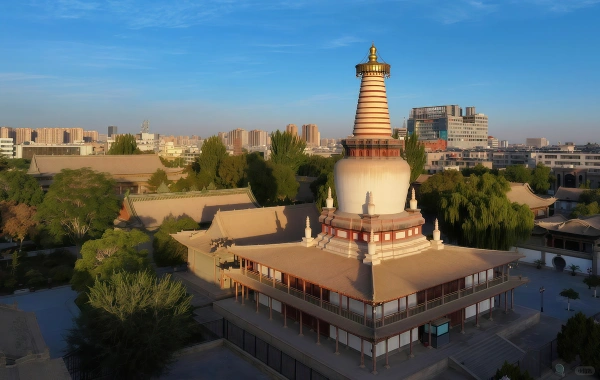
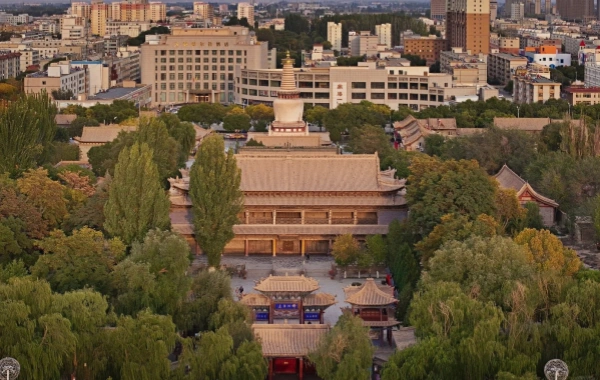
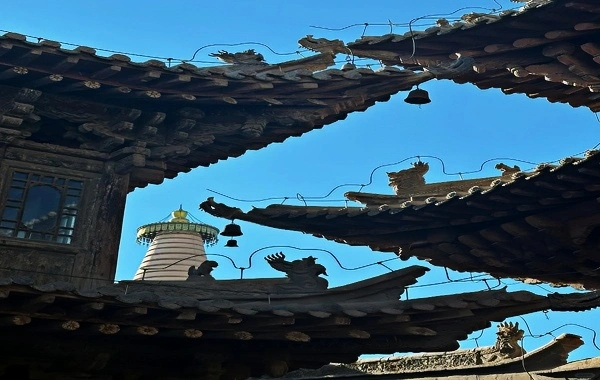
- Experience: After visiting the Hall of the Great Buddha, continue eastward to explore other ancient structures, such as the Sutra Repository and the Earthen Pagoda. The Sutra Repository features a single-eaved xieshan (hip-and-gable) roof, exuding an air of rustic elegance. The Earthen Pagoda (also known as the Amitabha Thousand-Buddha Pagoda) stands 33.37 meters tall; it is a stupa-style Lamaist pagoda constructed from a mixture of brick and earth. Uniquely, a small pagoda is situated at each of the four corners of the main pagoda's base—a rare architectural style seldom seen elsewhere in China.

- Photography: A framed shot capturing both the Earthen Pagoda and the Hall of the Great Buddha—bridging the ancient and the modern—creates an iconic image that serves as a landmark symbol of the city of Zhangye.

5.  Trace the Legend of Kublai Khan's Birth

- Experience: Wander through the grounds of the Great Buddha Temple to discover historical traces linked to the Yuan Dynasty imperial family. Legend has it that Kublai Khan—the founder of the Yuan Dynasty—was born right here within the temple complex. Although this claim lacks corroboration in official historical records, the legend adds an aura of mystery to the temple and underscores the significant status that Zhangye held during the Mongol-Yuan era. - Atmosphere: Stand upon the legendary land where emperors were born, and cast your mind back to the dramatic convergence of events that unfolded along the Hexi Corridor over the span of a thousand years.

Suggested Itinerary

Half-Day "Silk Road Buddhist Splendor" Tour (Ideal for those with limited time):

Enter the park at 9:00 AM → Visit the Hall of the Great Buddha and pay homage to the Reclining Buddha (30 minutes) → Admire the murals within the hall and savor the stories depicted from Journey to the West (20 minutes) → Visit the Sutra Library to view Ming Dynasty scripture artifacts (20 minutes) → Explore the Earthen Pagoda and take photos as keepsakes (15 minutes) → Rest in the temple's courtyards amidst ancient trees, soaking in the Zen atmosphere (15 minutes) → Depart the park around 11:00 AM; you may then continue your tour at the Zhangye City Museum (a 10-minute walk away; admission is free, but advance reservation is required).

Full-Day "Cultural Zhangye" Tour (Recommended in combination with nearby attractions):

- Morning: Tour of the Giant Buddha Temple (1.5–2 hours) → Zhangye City Museum (1 hour; to learn about the history and culture of the Silk Road)

- Lunch: Head to the Ganzhou Market or the snack street on East Minzhu Road to sample Zhangye's signature delicacies (such as Cuoyu Mian [Fish-shaped Noodles], Sao Mian, Niurou Xiaofan [Beef & Rice Soup], and Xingpi Cha [Apricot Peel Tea])

- Afternoon: Choose one nearby scenic area for an in-depth visit—Option A: Head to the Colorful Danxia National Geological Park (40-minute drive) to witness the spectacular Danxia landforms at sunset; Option B: Head to the Pingshan Lake Grand Canyon (1-hour drive) to experience canyon hiking and geological wonders.

IntoTravelChina Advantage: We offer fully customized itineraries—including exclusive guides, transportation, and activity arrangements—to ensure you enjoy a deep, worry-free travel experience. >> [Consult for Customization Now]

Comprehensive Travel Guide: Transportation, Timing, and Seasons

Furong Ancient Town Furong Ancient Town

How to Get There: Easily Accessible from Downtown Zhangye

The Giant Buddha Temple is situated in the central district of Zhangye City, making it extremely convenient to reach.

- High-Speed ​​Rail / Train: Both Zhangye West Station and Zhangye Station serve as stops for both high-speed trains and conventional trains. A taxi ride from Zhangye West Station to the Giant Buddha Temple takes approximately 15 minutes (fare: approx. 10 RMB), while the trip from Zhangye Station takes about 20 minutes.

- Public Bus: Take bus routes 1, 4, 5, 6, 7, 8, 10, 12, 23, or others, and alight at either the "Giant Buddha Temple Station" or "Nancheng Lane Intersection Station."

- Taxi: Within the Zhangye city center, a metered taxi ride will cost around 5 RMB to reach the site.

- Self-Driving/Private Charter: Navigate to "Zhangye Giant Buddha Temple Visitor Center"; parking facilities are available near the scenic area.

Important Note: The Giant Buddha Temple is located within the city center, offering excellent access to nearby dining and accommodation options. If you plan to visit suburban attractions—such as the Colorful Danxia Landforms—it is recommended that you charter a private vehicle or join a local day tour group.

Best Time to Visit

The Giant Buddha Temple is a year-round destination; however, autumn (September–October) is considered the optimal season. During this time, the climate is pleasant, and the skies are clear and crisp—perfect for photographing ancient architecture and enjoying leisurely outdoor strolls.

- Spring & Autumn "Golden Seasons" (April–May; September–October): With comfortable temperatures and gentle sunlight, these periods are ideal for exploring ancient structures and photographing the temple's murals. In autumn, Zhangye's landscapes are ablaze with color, and the ancient trees within the Giant Buddha Temple turn a brilliant gold, creating a uniquely poetic atmosphere.

- Summer "Cooling Season" (June–August): While summer days in Zhangye can be quite hot, the deep halls and courtyards of the Giant Buddha Temple remain relatively cool during a visit. It is recommended to visit in the morning or late afternoon to avoid the intense midday sun. This visit can be combined with other summer itineraries, such as trips to the Qilian Mountain Grasslands or Kangle Grasslands.

- Winter "Tranquility Season" (November–March): With fewer visitors and discounted admission rates, you can enjoy the serenity of this thousand-year-old temple in near-solitude. As the Hexi Corridor region experiences cold winters, be sure to dress warmly. After a snowfall, the Giant Buddha Temple is blanketed in white, exuding a distinct and charming elegance.

Tickets and Opening Hours

- Admission: Full-price tickets are approximately 40 RMB per person; student tickets are 21 RMB per person (please note that prices are subject to the official rates posted at the scenic area on the day of your visit). - Opening Hours: Typically 08:00–18:00 (last entry at 17:30). We recommend visiting between 9:00–10:00 AM or 3:00–4:00 PM, when the lighting is optimal.

Accommodation Options

- City Center Hotels (Recommended): Zhangye’s city center offers a wide range of hotel choices, ranging from budget-friendly chains to 4-star establishments. We recommend staying near the Giant Buddha Temple in Ganzhou District or in the vicinity of Zhangye West Station for convenient transportation. Reference Prices: Budget-friendly options range from 150–300 RMB/night; mid-range/comfortable options range from 300–500 RMB/night.

- Boutique Guesthouses: The Zhangye city center and the area surrounding the Danxia Scenic Area feature a selection of unique guesthouses, offering a chance to experience the distinctive architectural style and charm of traditional Hexi Corridor dwellings.

- Near the Scenic Area: If you plan to visit the Colorful Danxia the following day, consider staying at the Danxiakou Cultural & Tourism Town located near the Danxia Scenic Area; this makes it convenient to catch both the sunrise and sunset.

IntoTravelChina Accommodation Booking Tips:

We strongly recommend planning your itinerary and booking your accommodation 1–2 months in advance—especially during peak seasons (such as the May Day holiday, National Day holiday, and summer vacation), when availability is limited. By booking through us, you gain access to real-time room availability and the ability to bundle your accommodation, attraction tickets, and transportation into a single package. This often results in combined savings and ensures a seamless, hassle-free travel experience. Simply tell us your budget and requirements, and we will match you with the perfect "Buddhist Sanctuary" accommodation in Zhangye.>>[Click to contact IntoTravelChina Travel Consultant]

Extended Journeys: A Classic Loop Through the Highlights of the Hexi Corridor

 The Giant Buddha Temple in Zhangye is by no means the end of your journey; rather, it serves as the perfect starting point for exploring the magnificent tapestry of the Hexi Corridor.

- Classic 3-Day Loop: Zhangye (Giant Buddha Temple + Colorful Danxia) → Jiayuguan (Jiayuguan Fort + Overhanging Great Wall) → Dunhuang (Mogao Caves + Mingsha Mountain). This classic route seamlessly blends Buddhist art, majestic frontier fortresses, and the rich heritage of the Silk Road civilization. - In-Depth 4-Day Zhangye Tour: Day 1: Zhangye City (Giant Buddha Temple + Museum + Wetland Park) → Day 2: Colorful Danxia + Binggou Danxia → Day 3: Pingshanhu Grand Canyon → Day 4: Mati Temple + Qilian Mountain Grasslands. With a unique theme for each day, this itinerary offers an in-depth exploration of the captivating charm of "Golden Zhangye."

- Qinghai-Gansu Grand Loop: We seamlessly integrate Zhangye into the classic Grand Loop route—Xining → Qinghai Lake → Chaka Salt Lake → Dunhuang → Jiayuguan → Zhangye → Qilian → Menyuan—allowing you to experience the breathtaking landscapes and rich cultural heritage of Northwest China all in a single journey.

Partner with IntoTravelChina to Embark on Your Exclusive Silk Road Buddhist Pilgrimage

The story of Zhangye’s Giant Buddha Temple is one of unwavering faith, artistic legacy, and the cultural convergence of the Silk Road. As you step into this thousand-year-old sanctuary, you will not only witness the awe-inspiring sight of Asia’s largest reclining Buddha but also—through every brick, tile, brushstroke, and mural—feel the historical pulse of the Hexi Corridor, where diverse civilizations once met and mingled.

IntoTravelChina specializes in crafting in-depth, personalized, and hassle-free travel experiences across China. Our travel experts are here to provide you with:

- Tailor-Made Itineraries: We design the perfect route—incorporating the Giant Buddha Temple and surrounding Zhangye attractions—based entirely on your interests and schedule.

- One-Stop Service: We handle all the details, including entrance tickets, unique accommodations, transportation transfers, local guides, and activity bookings.

- Exclusive Experiences: We arrange professional guides to provide in-depth interpretations of the murals and scriptures, offer guidance on the best times for photography, and curate routes that connect the very essence of the Silk Road.

Let your journey to Zhangye be more than just sightseeing; let it be an immersive cultural pilgrimage along the historic Silk Road.

> Start Planning Your Journey Today

> Contact our professional travel consultants, and we will provide you with a personalized itinerary within 24 hours.>> [Click to contact IntoTravelChina Travel Consultant]

What Our Clients Say?

Based on 10,000+ traveler reviews

...
Daniel Dorothea
Canada
Reviewed on April 29,2025
Shopping on Nanjing Road in Shanghai was just amazing! It's truly the "First Commercial Street of China", where tradition and modernity blend perfectly. You can find awesome souvenirs and experience the trendy vibes in cool stores. The neon lights at night are just spectacular, shining bright like Times Square in New York. The food here is incredible too. I had a feast for my taste buds. Shanghai, I'll definitely be back!
Destination(s): Shanghai
Date of Experience: May 08,2024
...
...
Elvis Eva
Canada
Reviewed on June 20,2025
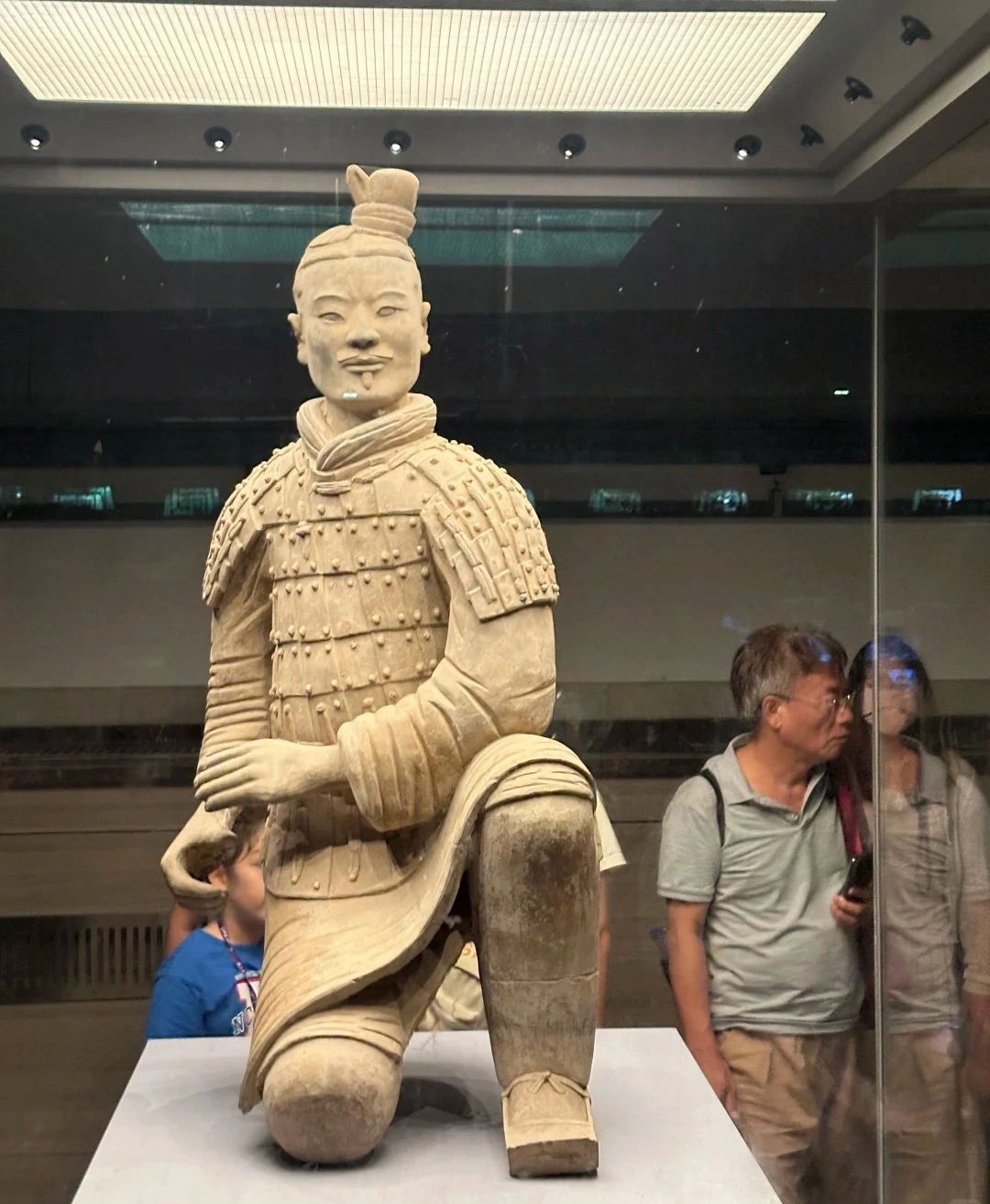
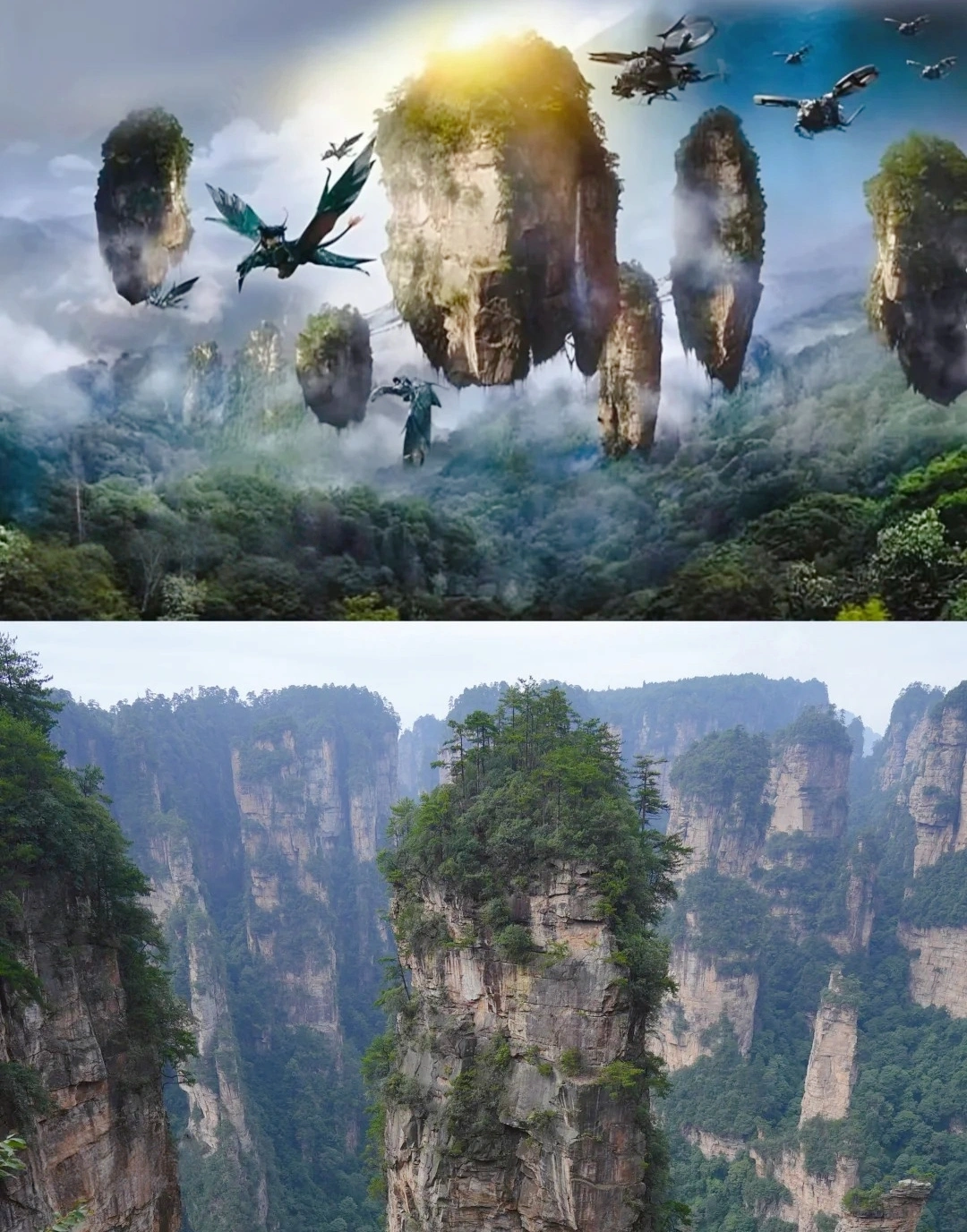
As a solo traveler from Canada, I was nervous about navigating China alone—but this 11-day tour was PERFECT! From hiking the Great Wall at sunrise (Day 3) to gasping at the Terracotta Army (Day 5), every day delivered ‘pinch-me’ moments. The real showstopper? Zhangjiajie’s Avatar Mountains (Day 7)! Our guide made the stone pillars come alive with stories. Massive thanks for handling all logistics—bullet train tickets, entry passes, car! And the 4-star hotels surprised me.
Destination(s): Beijing Xian Zhangjiajie Shanghai
Date of Experience: June 02,2025
... ... ...
...
Simon
America
Reviewed on May 29,2025
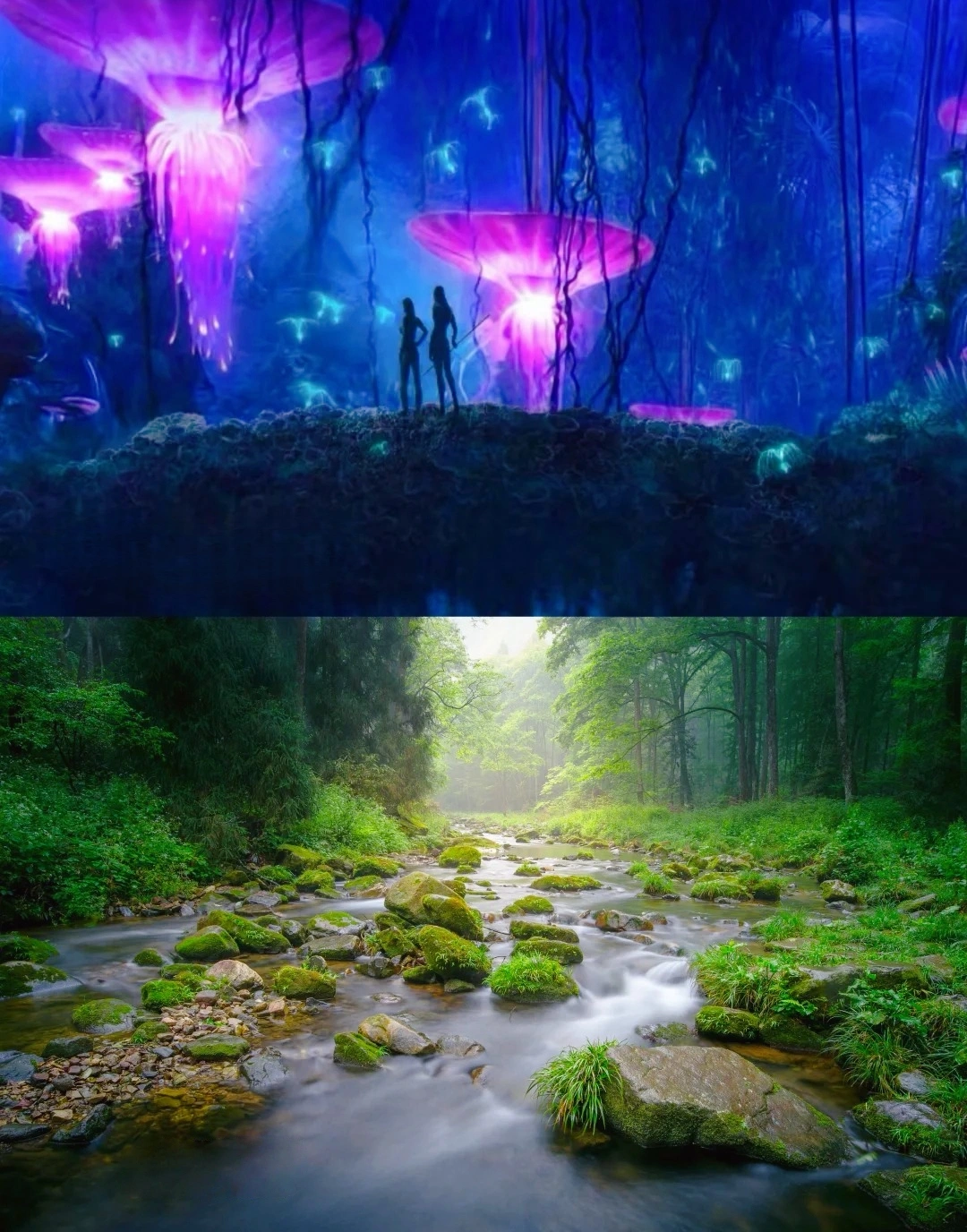
Our 2-day Zhangjiajie tour was beyond spectacular! As someone who’s visited Beijing and Shanghai for work, this trip revealed China’s wild, magical heart. Day 1 in Zhangjiajie National Forest Park felt like stepping onto Pandora—I’m a huge Avatar fan, and Yuanjiajie’s floating peaks left me breathless. The misty pillars and lush valleys like pure movie magic! Then came Fenghuang Ancient Town, we eat dinner beside the thundering waterfall. It seems Unreal! The night views of stilt houses glowing over the river were straight from a fairy tale. For fellow Avatar lovers and adventure seekers: Don’t miss this bucket-list experience! 10/10 would return. A Well-Traveled Film Buff, May 2025
Destination(s): Zhangjiajie
Date of Experience: May 08,2025
... ...

Ask a Question

Question Summary (100 characters)
Details (optional) (2,000 characters)
Name
Country
Email